
Course Overview
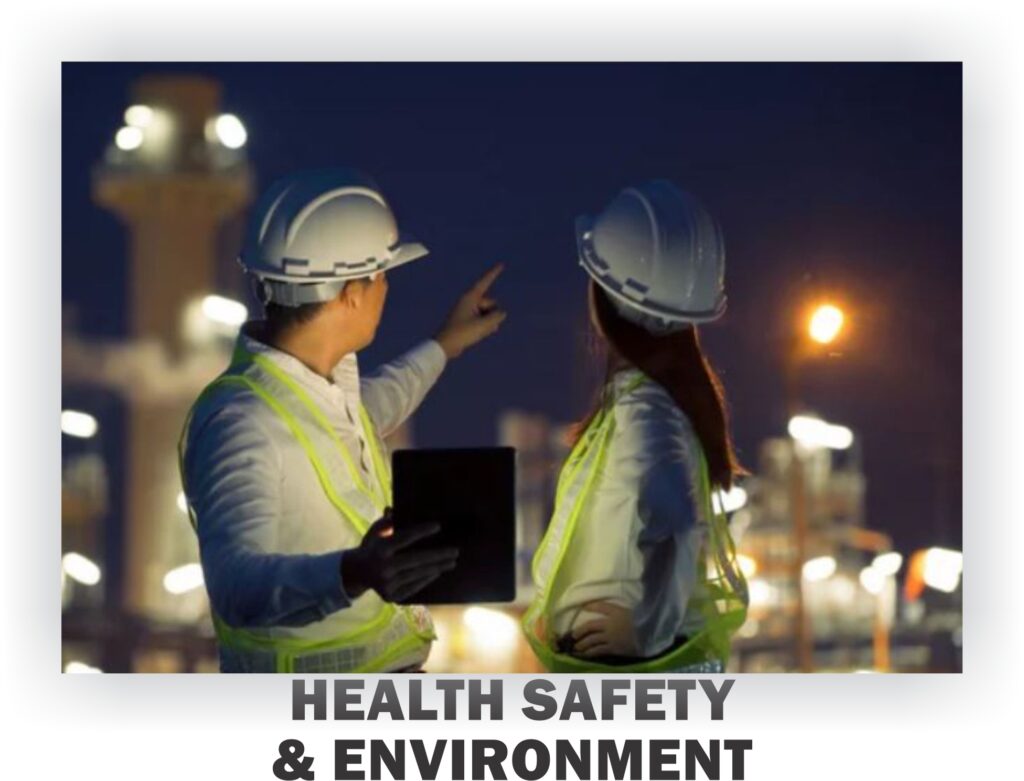
On-the-job accidents remain a leading cause of injuries, fatalities, asset loss, and operational disruptions across industries. A single unsafe act or condition can result in severe consequences—not only for employees, but also for organizations’ assets, reputation, and surrounding environment.
Workplace safety is therefore not optional; it is a critical responsibility of every organization committed to productivity, sustainability, and human well-being. Employees are frequently exposed to various hazards arising from unsafe behaviors, poor work conditions, equipment failure, and inadequate procedures. Effectively managing these risks requires a deliberate combination of safety training, robust safety systems, and consistent enforcement of safety protocols.
The importance of workplace safety cannot be overemphasized. It cuts across all sectors where personnel face continuous operational risks. The adoption of effective safety measures safeguards lives, protects organizational assets, preserves environmental integrity, and enhances corporate credibility.
This course equips participants with the knowledge and practical skills required to prevent occupational accidents through effective hazard identification, risk assessment, and control measures. Participants will also learn how to respond promptly and efficiently to emergency and high-risk situations, thereby minimizing harm and ensuring workplace continuity.
Course Objectives
This course is designed to provide participants with fundamental and practical knowledge of workplace safety and environmental protection, enabling them to operate in a safe, healthy, and productive manner.
By the end of the training, participants will be able to:
- Gain practical, hands-on skills to protect themselves and their co-workers
- Identify potential workplace hazards and accident-prone conditions before incidents occur
- Recognize hazards, assess associated risks, and implement effective control measures
- Reduce the likelihood of personal injury and occupational illnesses
- Minimize the risk of causing harm to others through unsafe actions
- Apply functional strategies for preventing work-related accidents
- Effectively manage occupational hazards across different work environments
- Conduct Job Hazard Analysis (JHA)
- Investigate workplace accidents and incidents professionally
- Select, use, and manage Personal Protective Equipment (PPE) correctly
- Carry out workplace safety audits and inspections
- Prevent, control, and manage fire-related emergencies
- Administer basic first aid and CPR during emergencies
Learning Outcomes
Upon successful completion of this course, participants will:
- Demonstrate strong awareness of workplace health, safety, and environmental risks
- Apply proactive hazard management techniques to real workplace situations
- Contribute to safer work practices and improved safety culture
- Respond effectively to emergencies, accidents, and unsafe conditions
- Support organizational compliance with HSE standards and best practices
- Enhance organizational productivity by reducing accidents, downtime, and losses
Course Outline
The course will cover the following modules:
- Understanding Workplace Hazards
- Accidents in the Workplace
- Hazard & Effect Management Process (HEMP)
- Job Hazard Analysis (JHA)
- Permit to Work (PTW) System
- Personal Protective Equipment (PPE)
- Accident Investigation & Reporting
- Confined Space Safety
- Environmental Safety
- First Aid / CPR
- Good Housekeeping
- Basic Security Awareness